Inside the mind of Lost Frequencies: melody, growth, and Winter magic

The Belgian DJ and producer will play two unique sets in the Alps, debut new music, and find inspiration both on and off the slopes.

Felix De Laet, better known as Lost Frequencies, isn’t slowing down anytime soon. The Belgian DJ and producer has spent years building a sound that blends melody with dancefloor energy, and he keeps finding ways to evolve it.

After the success of “Listen to Me Now,” he’s already looking ahead, teasing new material like “So Much Beauty Around Us,” a track that feels right at home in a mountain setting.

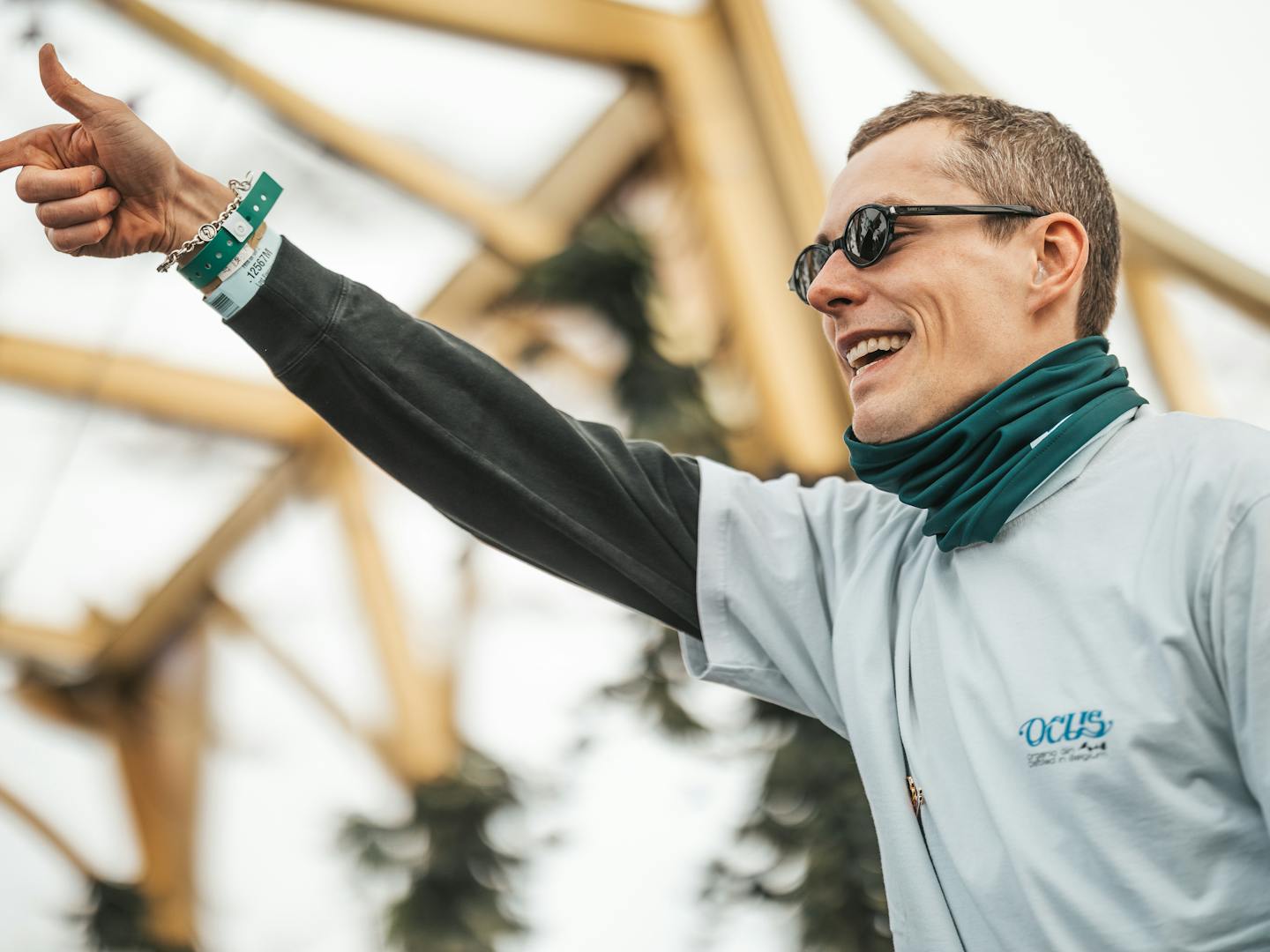
At Tomorrowland Winter, he’ll take things a step further by performing twice in one week, once at Orbyz, high up in the mountains, and again at the Mainstage in the village. For him, that’s an opportunity to show two different sides of his music.
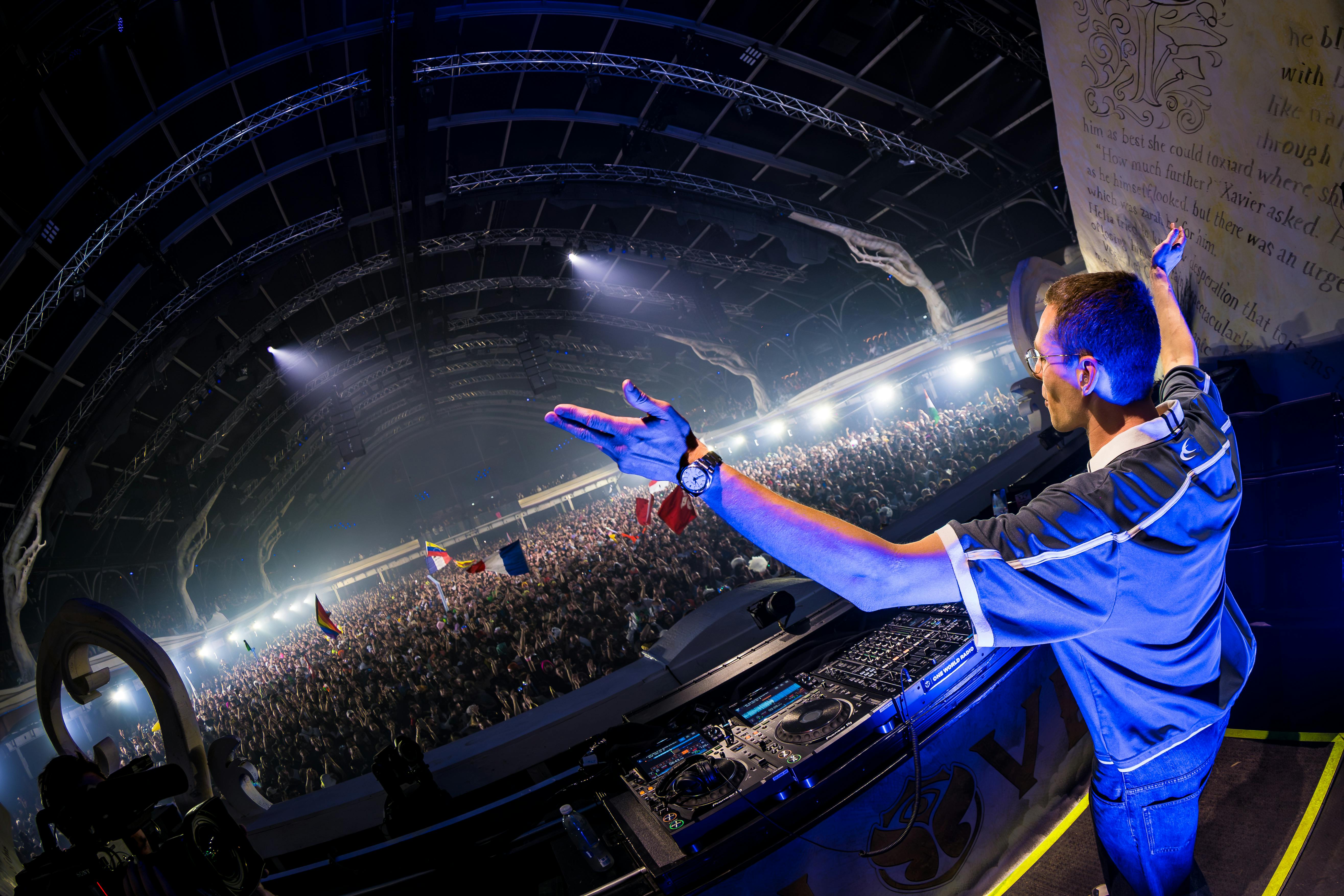
“I always try to make each set feel unique,” he says. “Some of my own tracks will go into one set, others into the second. And I’ll mix in music from other artists too.”

The setting plays a big role in that approach. Up at Orbyz, surrounded by snow and open skies, the atmosphere naturally leans toward something more immersive and melodic.

Down at the Mainstage, things shift. “There, I can go a bit harder and darker,” he explains. Still, he doesn’t plan everything down to the last detail. The crowd matters just as much. “If people bring a lot of energy, I’ll match it. If it’s more laid-back, I’ll adjust.”

New Tracks, Carefully Tested

Tomorrowland Winter is also a place where he tries out new music. “So Much Beauty Around Us” is one he’s particularly excited about. He’s already tested it a few times and feels it fits the mountain vibe perfectly. For the Mainstage, though, he’s considering a slightly heavier version to suit the bigger setting.

There’s a practical side to that process too. Because the sets are livestreamed, he can’t just play anything. Tracks need to be close to finished. “If people hear something they love and then can’t find it anywhere, that’s frustrating,” he says. It’s a small detail, but one that shapes what ends up in his sets.

Finding the Right Balance

Even after years of playing major festivals, stepping onto a huge stage still comes with its own challenges. It’s not about nerves anymore, more about reading the room.

“With big crowds, it’s harder to tell how people are reacting,” he admits. That can lead to a tendency to push toward faster, more aggressive sounds. But looking back, he sometimes feels the opposite approach can be just as powerful. “Melody and emotion can carry a set in a different way.”

That contrast shows up in what he’s listening to as well. Lately, he’s been drawn to slightly darker, more atmospheric tracks that still leave space for melody.

Music On and Off the Slopes

Away from the stage, Tomorrowland Winter gives him a rare chance to slow down. This year, that means spending time skiing with family and friends, something he doesn’t always get to do during his busy schedule.

It’s also changed how he experiences music in that setting.

“I used to carry a speaker in my backpack while skiing,” he says. “Now I actually enjoy just hearing what other people are playing around me.”

A Collaboration That Came Together Naturally

His recent track “Listen to Me Now” came together in a way that reflects how he often works.

It started with a demo he received without much context. He liked the core idea, especially the piano, but reworked the structure and tested it in a live set.

Only afterward did he realise who had sent it.

From there, the collaboration developed organically, eventually bringing in an additional vocal element that completed the track.

It also pushed him into new territory. The song sits at 140 BPM, faster than his usual tempo. That shift isn’t as simple as it sounds. “If you push things too far, it starts to feel off,” he explains. “Basslines can lose their shape, and the whole track changes.”

Looking Ahead

With plenty of unreleased music ready to go, the coming year looks busy. Still, he’s careful about how and when he puts things out.

“You can’t just release everything at once,” he says. “Tracks need time to grow.” Some songs take months, even a year, before they really connect with audiences.

That said, he’s aiming to release a new album in the near future, giving fans a fuller picture of where his sound is heading.

For now, though, the focus is on Tomorrowland Winter, two sets, two different moods, and a chance to connect with people in a setting that’s unlike any other.